
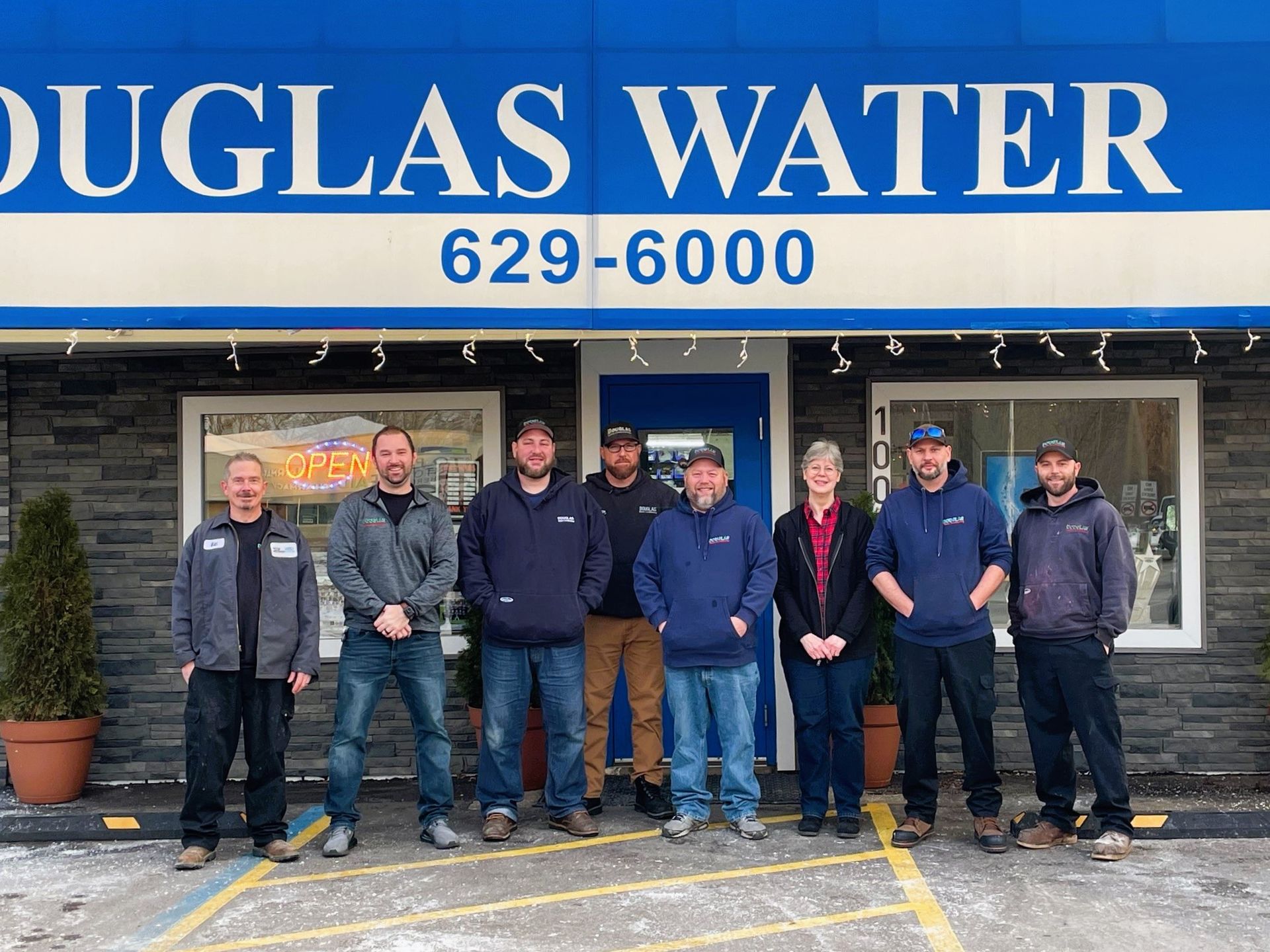
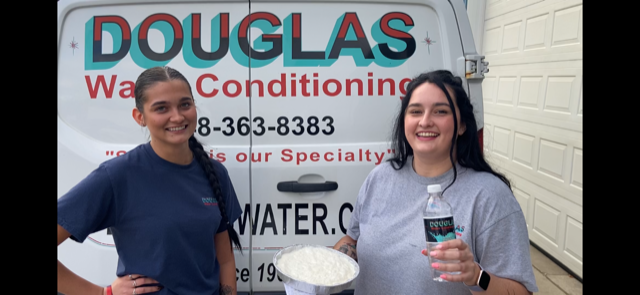
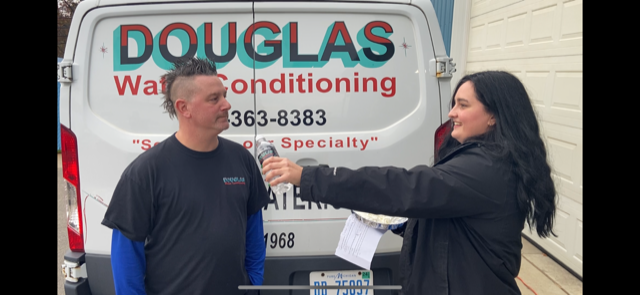
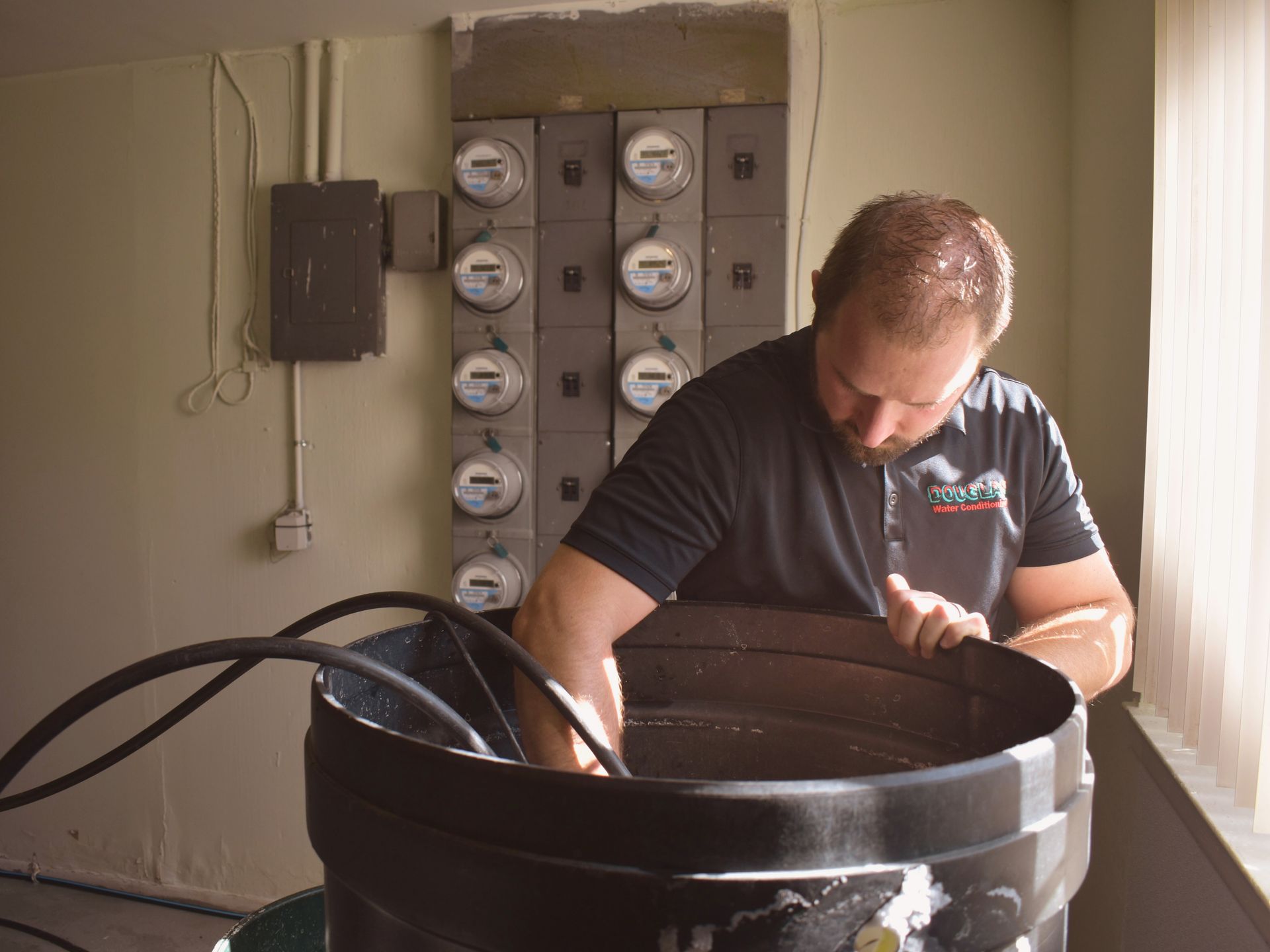
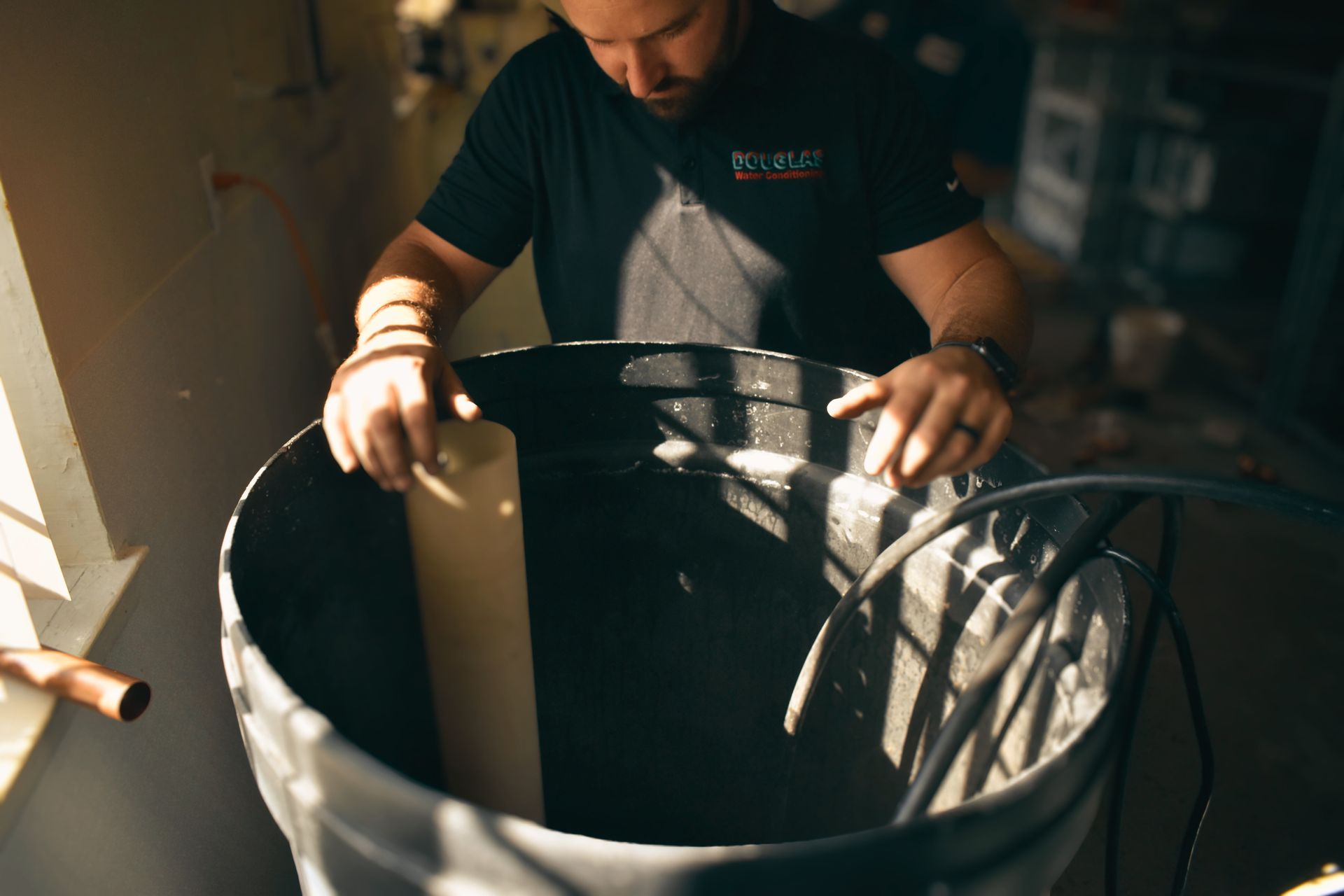
Get to Know: Matt Long - Owner All of the gentlemen that run Douglas Water Conditioning have a special place in my heart, each teaching me different lessons in their own way. But if I had to pick a favorite 'Douglas Dad', it would be Matt Long. He's the guest star on all my TikToks, the first to celebrate your wins, and has a way of offering guidance - even when you've made a mistake - without making you feel defeated. I've learned so much from this company, but more importantly, I've learned what a great place it is to work. There's a unique family and friends dynamic at Douglas Water Conditioning, and no one embodies that better than Matt Long Matt started working at Douglas Water Conditioning when he was 21 years old. A young dad on the job hunt, he came across a help-wanted ad in the local paper: Salt delivery driver needed at Douglas Water Conditioning. Matt and his friend both applied. "Funny thing was, my friend got hired right away. I wasn't hired immediately - they needed a few more days to think about it." As a young employee, one of the biggest challenges Matt faced was being reserved. "I was quiet." he admits. But that didn't stop him from pushing forward.
Introduction There's a long list of things that can end up in your water - and many of them shouldn't be there. Among the most concerning are contaminants known as VOCs, PFOAs, and PFOS. While these chemicals have been around for decades, it's only in recent years that they've gained the attention they deserve due to their potential health risks. These pollutants are not only common in everyday products, but they also tend to be persistent in the environment. That means once they enter your water supply, they're hard to remove - and potentially harmful if left un treated What are VOCs? Volatile Organic Compounds (VOCs) are chemicals that can vaporize into air and dissolve in water. Once released into groundwater, many VOCs persist for long periods and can easily migrate into drink water wells. Common Sources of VOCs: Industrial solvents (like acetone or paint thinners) Gasoline and petroleum byproducts Cleaning agents Pesticides and herbicides Paints and varnishes Health Effects of VOC Exposure: Respiratory issues Headaches and dizziness Liver and kidney damage Increased risk of certain cancers How VOCs Enter Water: Leaks or spills from industrial facilities Landfills and improper chemical disposal Runoff from agricultural or residential areas What are PFOAs and PFOS? Perfluorooctanoic Acid (PFOA) and Perfluorooctane Sulfonate (PFOS) are man - made chemicals in the PFAS (Per- and Polyfluoroalkyl Substances) group. Known as "forever chemicals," PFAS don't break down easily in the environment, making them a long - term threat to water quality. Common Sources of PFAS: Non-stick cookware (like Teflon) Water- and stain-resistant fabrics Firefighting foam Food packaging and water - repellent materials Health Effects of PFAS Exposure: Increased risk of certain cancers Hormone disruption Weakened immune system Developmental delays in children How PFAS Enter Water: Industrial discharge into waterways Contaminated soil runoff Degradation of consumer products How to Protect Your Water from VOCs and PFAS Get your water tested The first and most important step is knowing what's in your water. Contact your local health department or certified water testing lab to determine if contaminants like VOCs or PFAS are present. While at - home test kits can give a general idea, professional testing is always recommended for accurate results Use Advanced Filtration Systems Certain water treatment systems can effectively remove or reduce VOCs and PFAS from your drinking water. Carbon filtration: Effective against VOCs and PFAS. Common in pitcher filters and whole - house systems. Reverse Osmosis (RO): Highly effective at removing VOCs, PFAS, and over 99 other contaminants. The EcoWater ERO 385 RO system is certified to remove both VOCs, and PFAS, making it a reliable point - of - use system for kitchen sinks or fridges. Stay Informed About Local Water Quality Check municipal water reports, often published in your local newspaper or online. Follow EPA and state regulations for updates on VOC and PFAS limits. Stay educated on emerging contaminants that my pose risk Conclusion VOCs, PFOAs, and PFOS are real and serious threats to the safety of your drinking water. Prolonged exposure to these chemicals can lead to a variety of health concerns. Some of which may be irreversible. But the good news is - you can take action. A reverse osmosis system, like the EcoWater ERO 385, provides a strong line of defense. Regular water testing, responsible product choices, and high - quality filtration can go a long way in protecting your family's health. Clean, safe water isn't a luxury - it's a necessity. If you have questions about your water quality or are interested in installing a RO system in your home, contact any of our Douglas Water locations today. We're happy to help you find the best solution for your needs and ensure that the water you use every day is as pure and safe as possible.

Ensuring your home's plumbing meets Michigan safety and compliance standards is essential for protecting your water quality, health, and property value. In this blog, we break down the importance of Michigan Plumbing Code, how it prevents water contamination and hazardous waste disposal issues, and the legal and financial risks of non-compliance. Learn why hiring a licensed professional is crucial and how Douglas Water Conditioning upholds the highest standards to keep your home safe and efficient. Read more to discover how proper plumbing can save you time, money, and peace of mind!

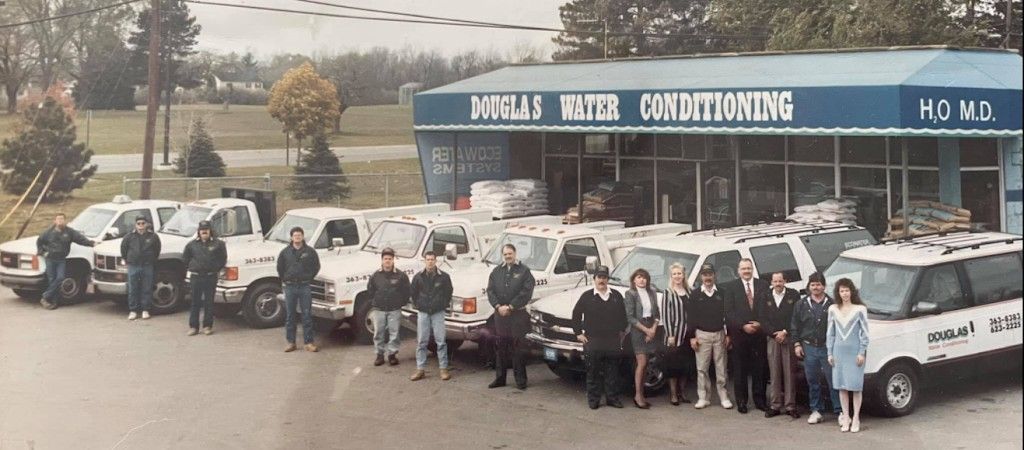
Have you ever wondered who keeps Douglas Water Conditioning running day to day? Well, allow me to introduce you to one of those guys - Scott Shepherd, one of the four owners of Douglas Water Conditioning. Scott's journey with Douglas Water Conditioning began in November 1989, when he was just 16 years old. His father, a fireman, encouraged him to stop by and visit Doug Lanni, a fellow fire fighter who owned a small, but growing water treatment business. Scott started in the shop, but was quickly moved to lead the salt delivery department - all on his own. Back then, there were no GPS device and maps often didn't reflect the rapidly expanding neighborhoods. Scott's experience as a hunter helped him navigate unmarked roads and unlabeled houses, using landmarks and cardinal directions to get the job done.


Share On: